8 High-Paying Aviation Jobs for Students Straight Out of College
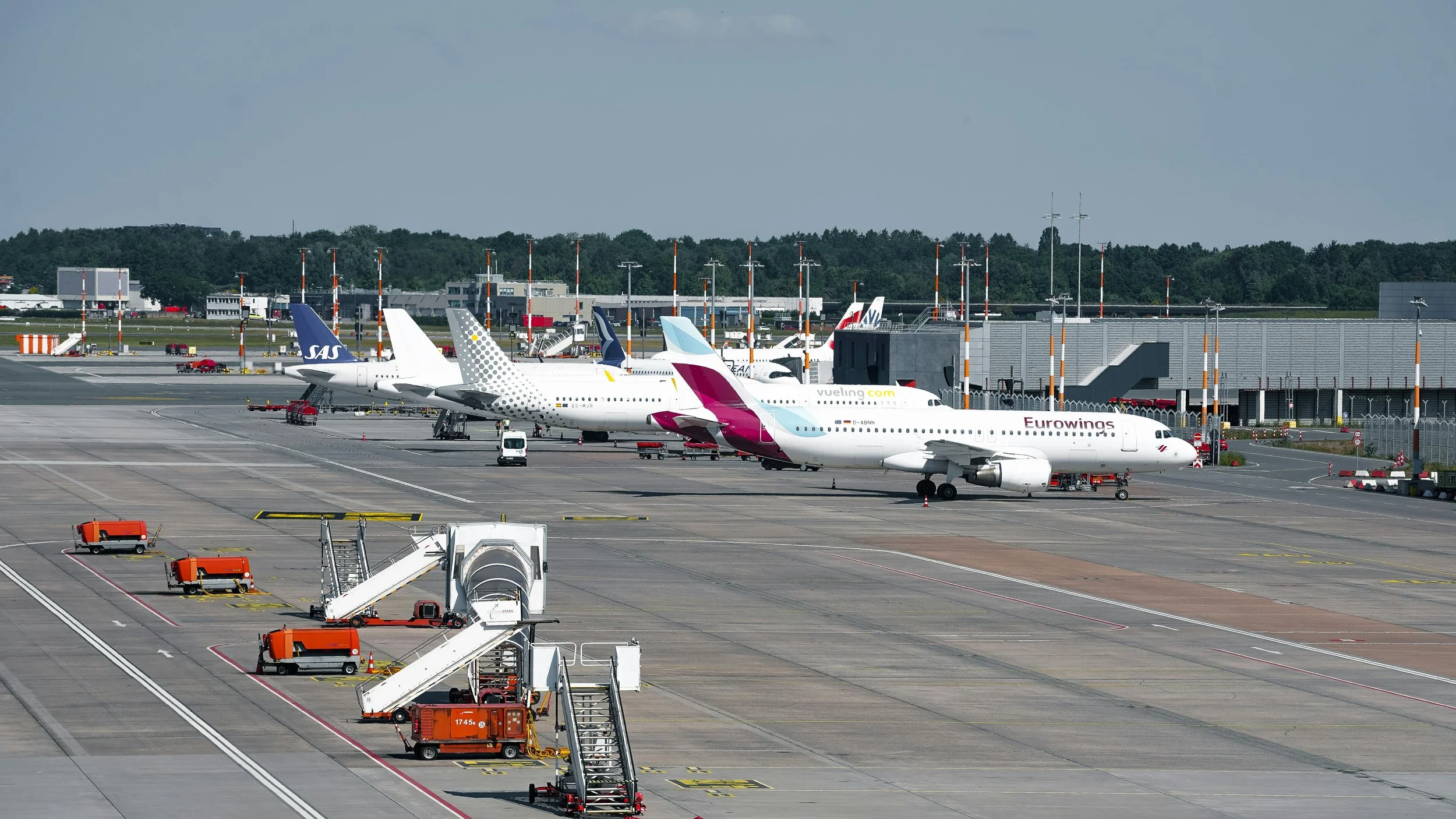
Photo by Wolfgang Weiser: https://www.pexels.com/photo/airplanes-lined-up-at-hamburg-airport-terminal-34739444/
Graduating from college opens the door to countless industries. The aerospace sector constantly seeks fresh talent to fill dynamic roles. Many students assume that working in this field means becoming a commercial pilot or a mechanic. However, a massive infrastructure exists behind the scenes to keep flights moving safely. Graduates who expand their search parameters quickly discover a thriving corporate and operational ecosystem ready to hire.
Navigating the final year of college takes massive effort. Between final exams and internship applications, many seniors search online for terms like DoMyEssay help me write my paper to manage their heavy workload. Once the diploma is in hand, graduates can explore a hidden market of lucrative opportunities. The industry offers fantastic earning potential for those willing to look past the obvious choices.
1. Airfield Operations Specialist
A bustling terminal requires intense coordination on the ground. Specialists monitor the runways, coordinate with air traffic control, and ensure regulatory compliance with federal guidelines. If you hold an aviation management degree, this role offers a fast-paced environment right out of school. It ranks among the most exciting jobs at the airport because you get involved in daily flight operations firsthand. You spend your days inspecting taxiways, coordinating winter snow removal, and responding to ground emergencies. The constant action keeps every shift fresh and engaging for new graduates
2. Aircraft Maintenance Planner
Airlines need highly organized individuals to track flight hours and schedule mandatory aircraft inspections. This role presents a fantastic option for graduates seeking remote aviation jobs since professionals manage these databases entirely from home. Accuracy remains an absolute requirement for keeping planes legally cleared to fly. Raymond Miller, a blog writer for the popular essay writing service, DoMyEssay, notes, “Managing complex schedules and regulatory details requires a level of precision that mirrors the exactness needed for high-level academic research.”; Planners coordinate directly with mechanics to keep commercial flights strictly on schedule.
3. Airline Revenue Analyst
Pricing tickets and managing cargo rates require sharp analytical skills and a deep comfort with big data. If you often wonder how do airports make money or how commercial fleets stay profitable year after year, this role provides excellent insights. Analysts predict passenger demand across different seasons and adjust ticket prices accordingly. It frequently ranks among the highest paying airline jobs for recent graduates because it directly impacts the corporate bottom line.
Key skills for revenue analysts:
● Advanced data modeling and statistical analysis using modern software.
● Competence with airline inventory systems and booking platforms.
● Strong knowledge of global economic trends affecting consumer travel habits.
4. Unmanned Aircraft Systems Coordinator
Drone technology expands daily across multiple commercial sectors. Companies need dedicated coordinators to manage drone fleets for agriculture, mapping, real estate, and delivery services. Earning an aviation degree with a focus on unmanned systems puts you at the forefront of this booming sector. Finding modern jobs in aviation means looking at where the technology is heading tomorrow. Coordinators handle route planning, secure airspace permissions, and ensure the hardware gets maintained properly.
5. Safety Management Systems Specialist

Photo by Aayush Shah: https://www.pexels.com/photo/empty-seats-on-airplane-27125556/
Preventing accidents remains the absolute top priority for any aerospace organization globally. Graduates stepping into aviation safety jobs analyze risk data and develop new training procedures for flight crews and ground staff. They investigate minor incidents to prevent major catastrophes from happening in the future. For students mapping out long-term careers in aviation, starting in a safety role builds an incredibly respected professional reputation. You get to protect passengers and crew members every single day.
6. Charter Flight Broker
Wealthy individuals, celebrities, and large corporations constantly need specialized travel arrangements on short notice. Working as a flight broker introduces you to the fast-paced world of private aviation jobs. You work as the middleman between wealthy clients and private jet operators. The commission structure makes this highly lucrative for motivated graduates. It represents a fantastic entry point into business aviation, giving you the chance to build a high- net-worth client network while learning the logistics of unscheduled flights.
Typical responsibilities for a flight broker:
● Sourcing appropriate aircraft for specific client requests.
● Negotiating flight rates with private jet operators.
● Arranging ground transportation and catering for VIP passengers.
7. Cargo Logistics Planner
Moving freight globally requires immense planning and deep geographical knowledge. Planners organize the routing of goods, manage weight distributions on cargo planes, and ensure absolute customs compliance at international borders. Understanding aviation logistics provides immense value to global supply chains and massive shipping corporations. Because international trade depends heavily on air freight, these positions often grow into the highest paying jobs in aviation for ambitious professionals. You keep the global economy moving smoothly.
8. Deputy Terminal Manager
If your ultimate career goal involves becoming an airport director, starting as a deputy terminal manager puts you on the exact right track. This role involves overseeing daily terminal activities, managing facility maintenance, and ensuring total passenger satisfaction. It stands out as one of the best aviation management jobs for graduates who want leadership experience. Your aviation careers salary will grow exponentially as you take on more terminal oversight and move to larger international hubs over time.
Core duties of a deputy terminal manager:
● Coordinating with retail vendors and restaurants inside the concourse.
● Managing passenger flow and security checkpoint efficiency during peak hours.
● Assisting local authorities in emergency response and evacuation protocols.
Conclusion
Exploring these distinct career paths proves that the aerospace industry holds immense potential for recent graduates. Your college education has prepared you for complex problem solving, and the aerospace sector needs exactly that kind of talent. By targeting these unique positions, you can build a prosperous and exciting future right out of school.
