Language Skills Student Pilots Need and How They Practice Aviation English
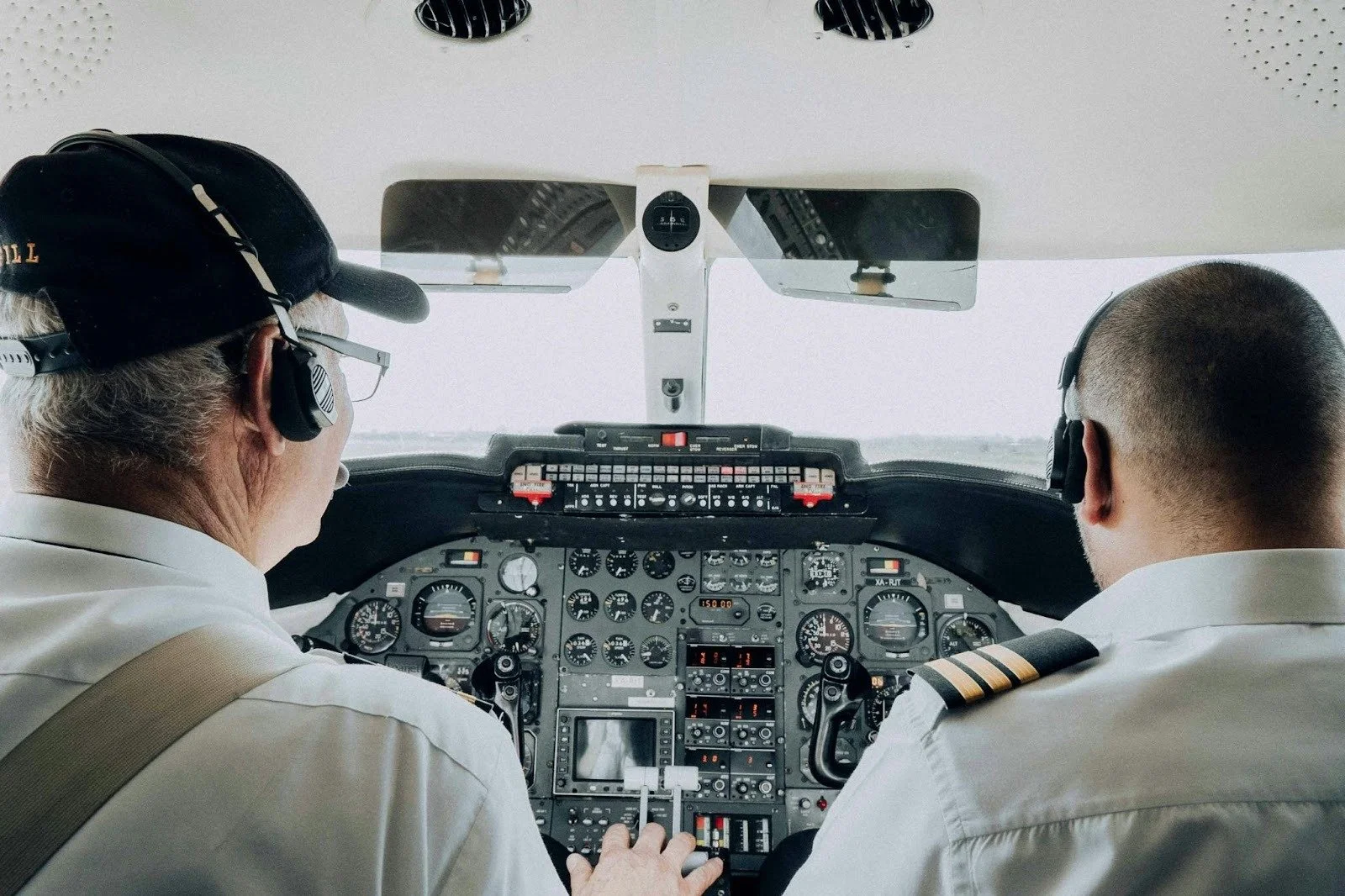
Learning to fly a plane is more than just understanding controls and gauges. It’s also about mastering a special kind of language — aviation English. For student pilots, good communication isn't just a helpful skill; it's a lifesaving one. So, what kind of language skills do aspiring aviators need? And how do flight schools help students practice this unique form of English?
Let’s explore the sky-high world of aviation English and discover how student pilots prepare to speak the universal language of the skies.
Why Is English the Language of Aviation?
Did you know that no matter where you're flying — whether over Tokyo, London, or Cape Town — pilots and air traffic controllers communicate in English? This isn’t just by chance. The International Civil Aviation Organization (ICAO) made English the official language of aviation to prevent misunderstandings in the air.
Imagine trying to land a plane while the tower speaks a language you don't understand. Confusing, right? That’s why aviation English was developed — to give pilots around the world one clear way to talk, especially during emergencies or high-pressure moments.
Key Language Skills Every Student Pilot Needs
So, what exactly do student pilots need to learn when it comes to aviation English? It's not just about vocabulary — it's about precision, clarity, and quick thinking.
1. Writing (Yes, Really!)
While writing might not be used mid-flight, student pilots still need to fill out flight logs, maintenance reports, and communicate in writing during training or planning stages. Good written English helps prevent errors and ensures everyone stays on the same page — literally. When it comes to written assignments during flight school, things can get challenging, especially for non-native English speakers. That's why, if students find themselves struggling, they shouldn't hesitate to seek assignment help — a smart move that can boost both their confidence and performance. Getting support not only saves time but also helps them learn how to express complex ideas more clearly and professionally, which pays off both in training and in the cockpit.
2. Speaking Clearly and Concisely
There’s no room for storytelling in the cockpit. Aviation English is all about short, specific phrases. Student pilots must learn to give and receive information using standard phraseology, like:
"Cleared for takeoff, Runway 27"
"Request altitude change to flight level 180"
These phrases may sound robotic, but they help eliminate confusion. Clear speaking isn’t just polite — it’s crucial for safety.
3. Pronunciation and Intonation
Even small pronunciation mistakes can lead to big misunderstandings in aviation. Saying “five” when you mean “nine”? That’s dangerous. That’s why pilots use the ICAO phonetic alphabet and say numbers in a specific way — for example, "niner" instead of "nine", or "tree" instead of "three".
Proper pronunciation ensures that even in bad radio conditions, everyone knows exactly what’s being said. Student pilots must practice until they speak with confidence and clarity, no matter the situation.
4. Reading and Understanding Aviation Texts
Aviation isn’t only about speaking and listening. Student pilots also read charts, weather reports (METARs and TAFs), checklists, and flight manuals — all in English. These materials often use abbreviations, acronyms, and technical vocabulary.
Learning to understand them is like learning a new dialect within English. It takes time, practice, and lots of real-world examples.
5. Listening Skills
A big part of being a pilot is listening carefully — to air traffic control (ATC), to co-pilots, and even to your aircraft's systems. Student pilots must train their ears to pick up on fast, accented, or unclear English from all over the world. It's a bit like tuning your ear to a new dialect or slang — except you're doing it 30,000 feet in the air!
Plus, pilots often receive a lot of information in a short amount of time. If they mishear just one word, the consequences could be serious. That’s why listening is often considered the number one skill in aviation communication.
How Student Pilots Practice Aviation English
Now that we know what skills are needed, the next question is: how do student pilots actually practice all this? It’s not just textbooks and grammar drills. In fact, aviation English training is often interactive, immersive, and very hands-on.
Let’s break it down.
1. Simulator Sessions with Real-Time Communication
Flight simulators aren't just for practicing takeoffs and landings — they're also a great place to sharpen communication. During simulations, instructors often play the role of air traffic control, speaking in real-time as they would in the air.
This gives students a chance to practice:
Listening to complex instructions
Responding using correct phraseology
Staying calm under pressure
Think of it like acting in a play — except the stage is the sky, and every line has to be 100% accurate.
2. Role-Playing and Radio Communication Drills
A popular method used in aviation English classes is role-playing. Students take turns acting as the pilot or air traffic controller, using standard English phrases and real-life scenarios.
Some examples include:
Emergency landings
Weather diversions
Radio failure situations
This method helps build fluency, confidence, and quick thinking. It also adds a bit of fun to the learning process — who doesn’t enjoy pretending they’re landing a jumbo jet?
Aviation English Courses and ICAO Testing
To officially become a pilot, students must pass an English language proficiency test. The most recognized standard is the ICAO Language Proficiency Requirements (LPR), which ranks from Level 1 (Pre-elementary) to Level 6 (Expert).
What's in the ICAO Test?
This test checks six areas:
Pronunciation
Structure (grammar)
Vocabulary
Fluency
Comprehension
Interactions
To pass, most countries require at least ICAO Level 4 (Operational). This means a pilot must be able to communicate safely and effectively in routine and non-routine situations.
Specialized Aviation English Schools
Many flight schools now offer dedicated aviation English programs to prepare students for both the test and real-life flying. These programs often include:
One-on-one speaking sessions
Listening to real ATC recordings
Practice with aviation scenarios
Mock ICAO tests
Some even partner with native-English-speaking instructors who have aviation experience — a big plus for students who want to improve fast.
Common Challenges Student Pilots Face
Learning aviation English isn’t always smooth sailing. Here are some common challenges students face — and how they overcome them:
Speed of speech: ATC can speak fast. Solution? Listen to live ATC (like LiveATC.net) regularly.
Accents: Controllers and pilots come from all over the world. Solution? Practice with recordings from different regions.
Nervousness: Speaking over the radio can be scary at first. Solution? Role-play regularly and focus on building confidence over time.
Too much jargon: Aviation has its own “language within a language.” Solution? Create flashcards and study key terms daily.
The good news? These challenges can be overcome with consistent practice and the right mindset.
Final Thoughts: Communication Is as Important as Flying
Flying a plane might seem like it's all about machines and controls, but in reality, clear communication is just as important as technical skills. For student pilots, mastering aviation English isn't just about passing a test — it’s about being a safe, confident, and effective pilot.
Whether it’s learning how to decode fast radio messages, speak with clarity in emergencies, or understand a complex weather chart, every part of aviation English serves a real purpose in the sky.
So, to every student pilot out there — remember, your voice is your co-pilot. The more clearly you speak, the smoother (and safer) your flights will be.
